
Choose a small portion
Read GLP-1 Nutrition Support ↓
30 original MynRecipes ideas: ten breakfasts, ten snacks and ten small dishes. Each makes one snack or meal component, not a complete daily diet. No clinical GLP-1 approval is claimed.
30 recipe ideas shown.

Breakfast
Plain yoghurt & soft oat pot
1 snack or meal component · 170g measured ingredients before added water
157 kcal · 10.3g protein
26.4g carbohydrate · 1.9g fat · 1.6g fibre

Snack
Small tuna & yoghurt bowl
1 snack or meal component · 100g measured ingredients before added water
87 kcal · 17.1g protein
3.3g carbohydrate · 0.7g fat · 0.0g fibre
Breakfast
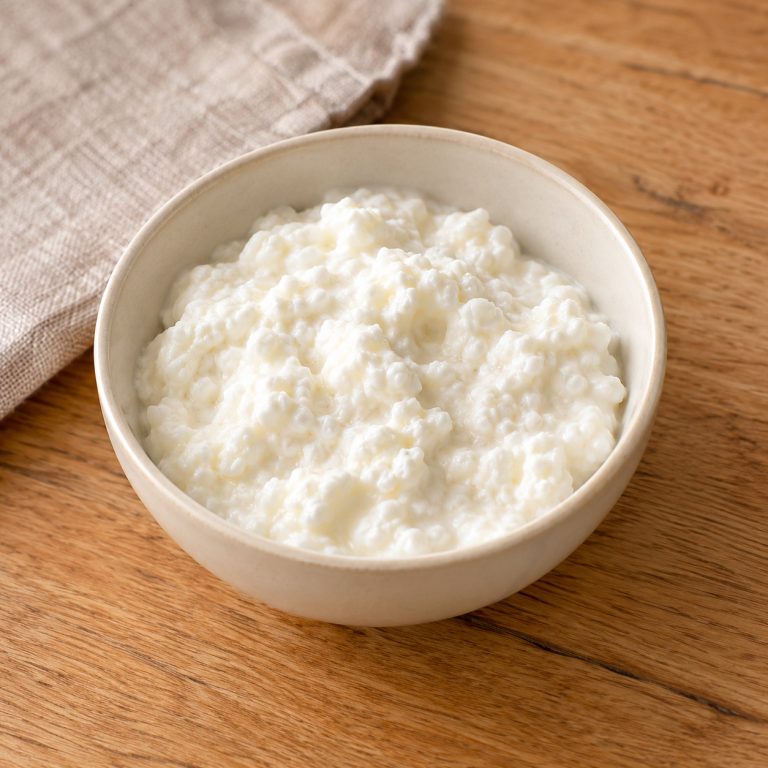
Cottage cheese & yoghurt pot
1 snack or meal component · 130g measured ingredients before added water
84 kcal · 12.2g protein
5.8g carbohydrate · 1.6g fat · 0.0g fibre

Breakfast
Blueberry overnight oats
1 snack or meal component · 160g measured ingredients before added water
146 kcal · 7.9g protein
26.0g carbohydrate · 1.9g fat · 2.2g fibre
Breakfast
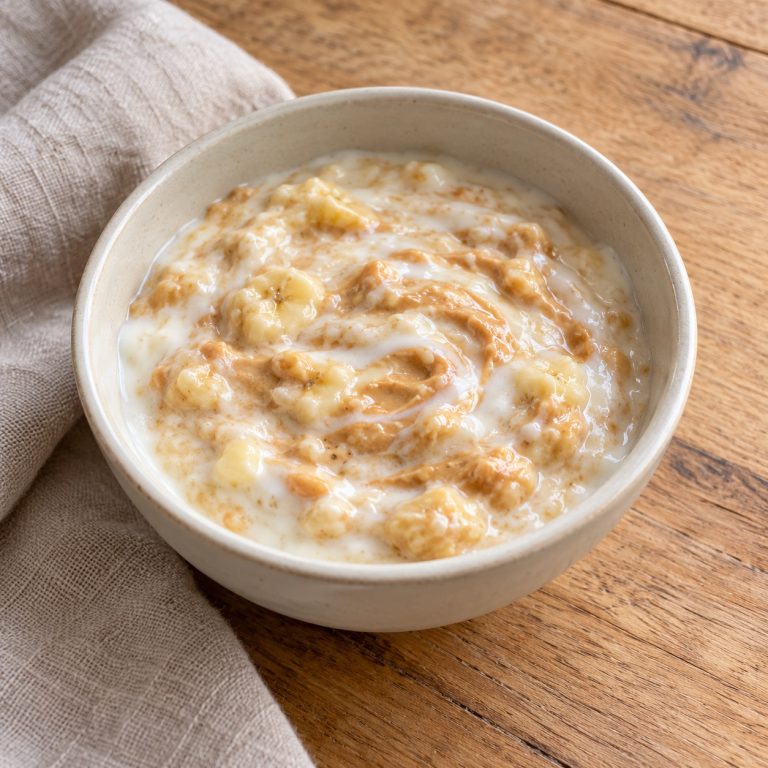
Banana & peanut yoghurt bowl
1 snack or meal component · 150g measured ingredients before added water
147 kcal · 8.2g protein
17.6g carbohydrate · 5.4g fat · 1.2g fibre
Breakfast
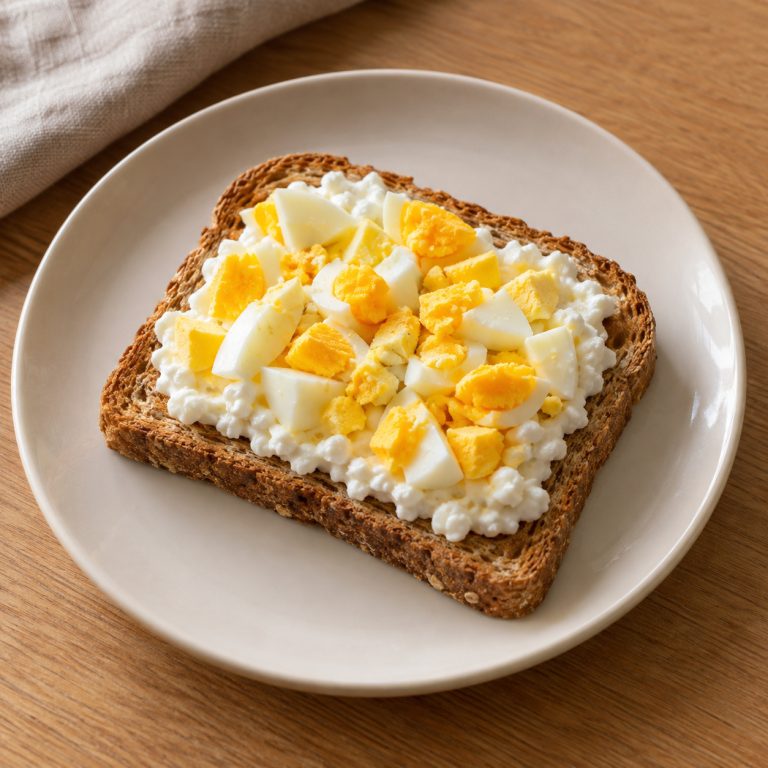
Boiled egg & cottage cheese toast
1 snack or meal component · 115g measured ingredients before added water
153 kcal · 13.6g protein
11.8g carbohydrate · 6.0g fat · 1.8g fibre
Snack
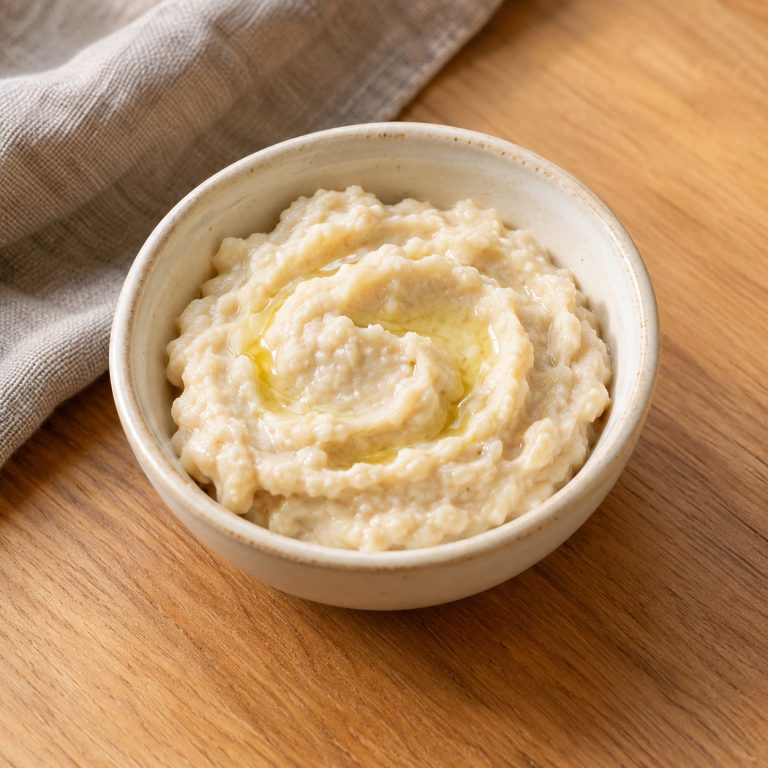
White bean & yoghurt dip
1 snack or meal component · 102g measured ingredients before added water
107 kcal · 6.9g protein
13.6g carbohydrate · 3.2g fat · 4.8g fibre
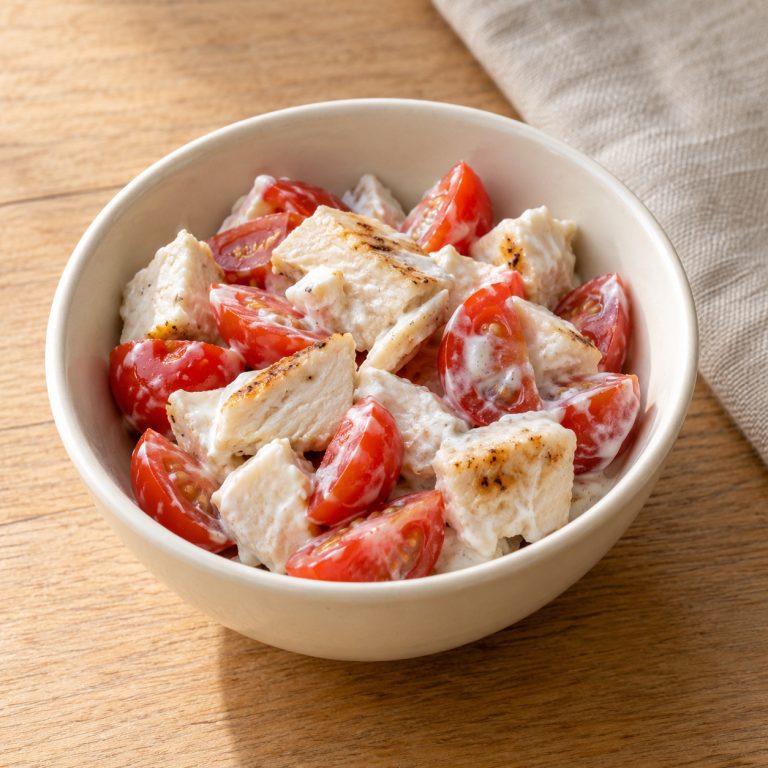
Snack
Chicken & tomato snack bowl
1 snack or meal component · 120g measured ingredients before added water
96 kcal · 17.6g protein
3.4g carbohydrate · 1.4g fat · 0.7g fibre

Snack
Blueberry cottage cheese bowl
1 snack or meal component · 130g measured ingredients before added water
77 kcal · 9.9g protein
6.6g carbohydrate · 1.4g fat · 0.6g fibre

Snack
Chickpea & tomato small salad
1 snack or meal component · 112g measured ingredients before added water
117 kcal · 6.3g protein
14.3g carbohydrate · 4.3g fat · 5.5g fibre
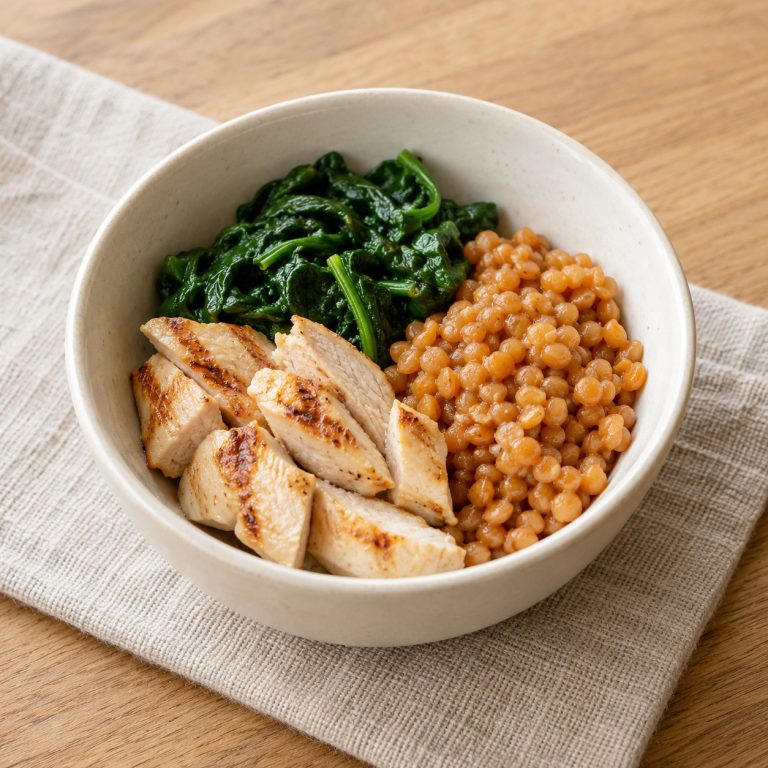
Small dish
Chicken & red lentil bowl
1 snack or meal component · 172g measured ingredients before added water
186 kcal · 26.2g protein
11.9g carbohydrate · 4.1g fat · 4.9g fibre

Small dish
Egg & spinach small bowl
1 snack or meal component · 160g measured ingredients before added water
152 kcal · 14.8g protein
9.8g carbohydrate · 6.3g fat · 2.0g fibre

Small dish
Tuna & white bean bowl
1 snack or meal component · 172g measured ingredients before added water
165 kcal · 20.7g protein
12.6g carbohydrate · 3.9g fat · 5.3g fibre

Small dish
Red lentil & tomato soup cup
1 snack or meal component · 162g measured ingredients before added water
133 kcal · 8.8g protein
19.1g carbohydrate · 3.0g fat · 7.1g fibre
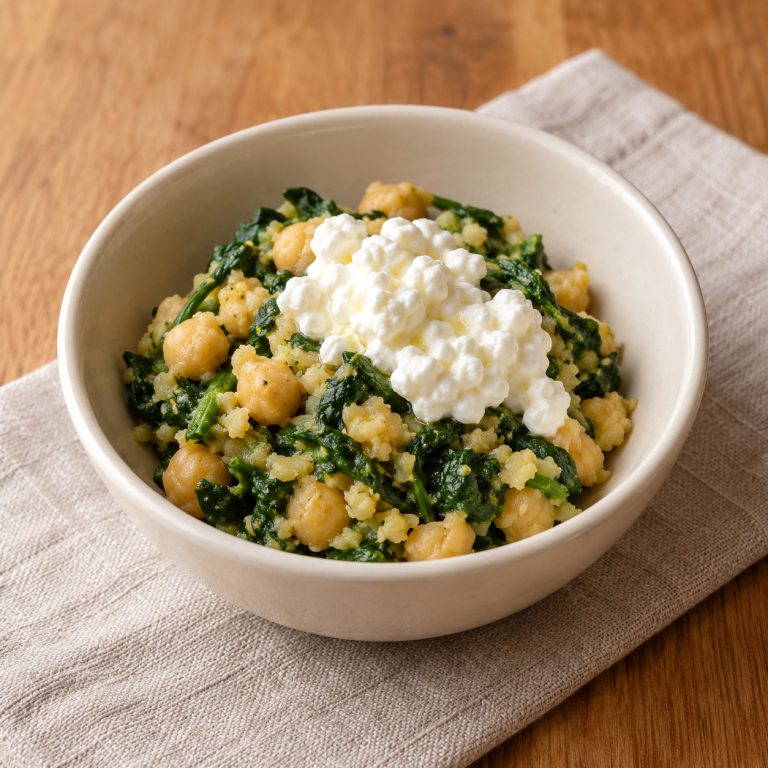
Small dish
Chickpea & spinach mash
1 snack or meal component · 182g measured ingredients before added water
177 kcal · 13.2g protein
19.4g carbohydrate · 5.8g fat · 7.7g fibre
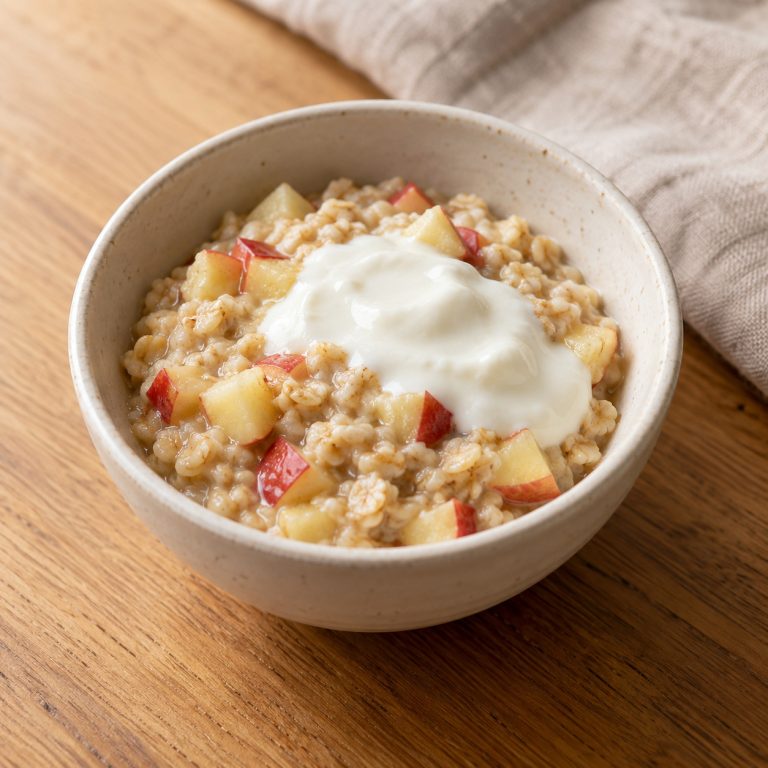
Breakfast
Apple oat porridge with yoghurt
1 snack or meal component · 135g measured ingredients before added water
153 kcal · 6.3g protein
28.4g carbohydrate · 2.4g fat · 2.6g fibre
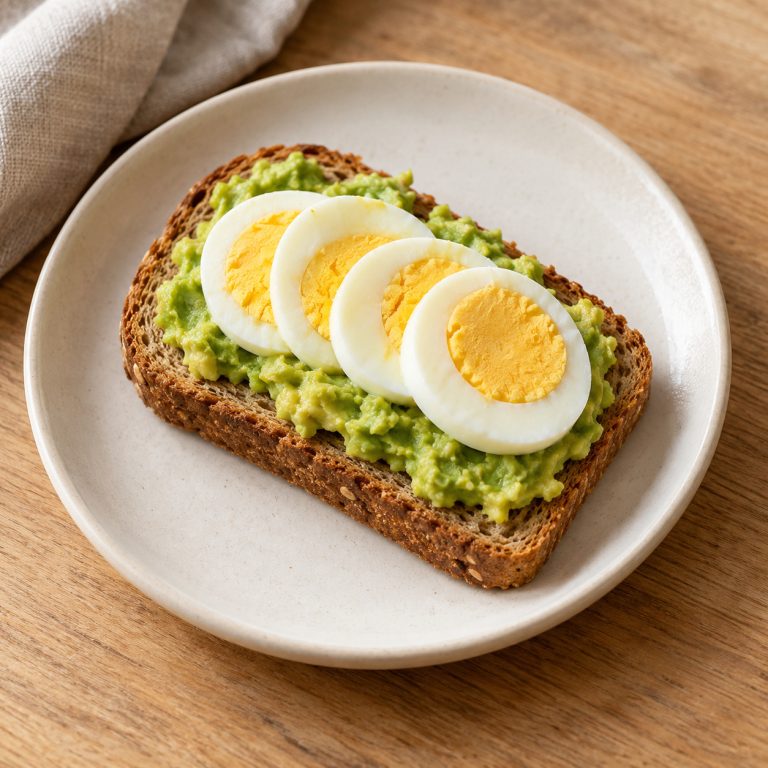
Breakfast
Avocado & boiled egg toast
1 snack or meal component · 110g measured ingredients before added water
186 kcal · 10.0g protein
11.1g carbohydrate · 11.5g fat · 2.8g fibre
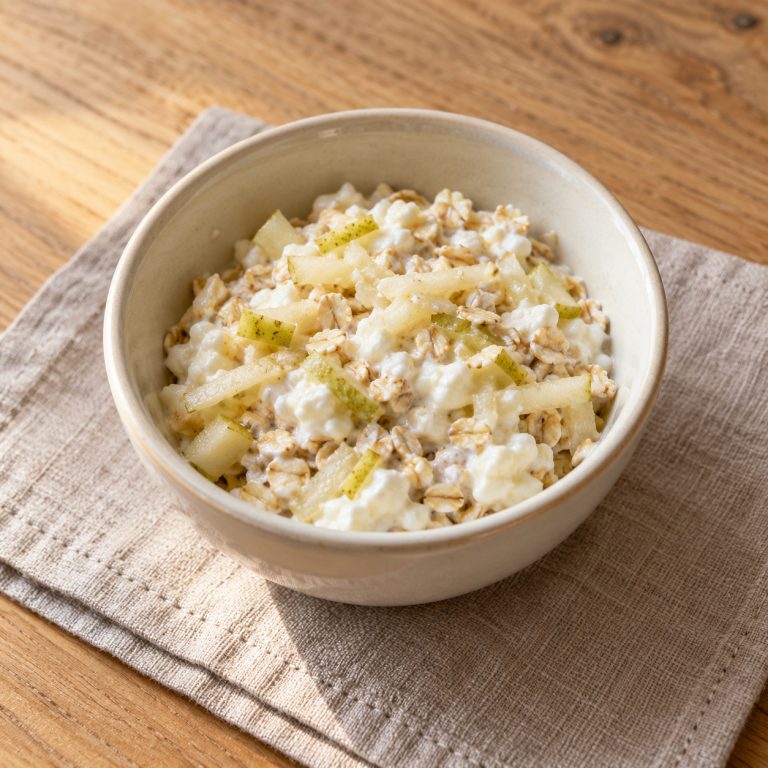
Breakfast
Pear & cottage cheese breakfast bowl
1 snack or meal component · 160g measured ingredients before added water
125 kcal · 10.8g protein
16.6g carbohydrate · 2.2g fat · 2.4g fibre
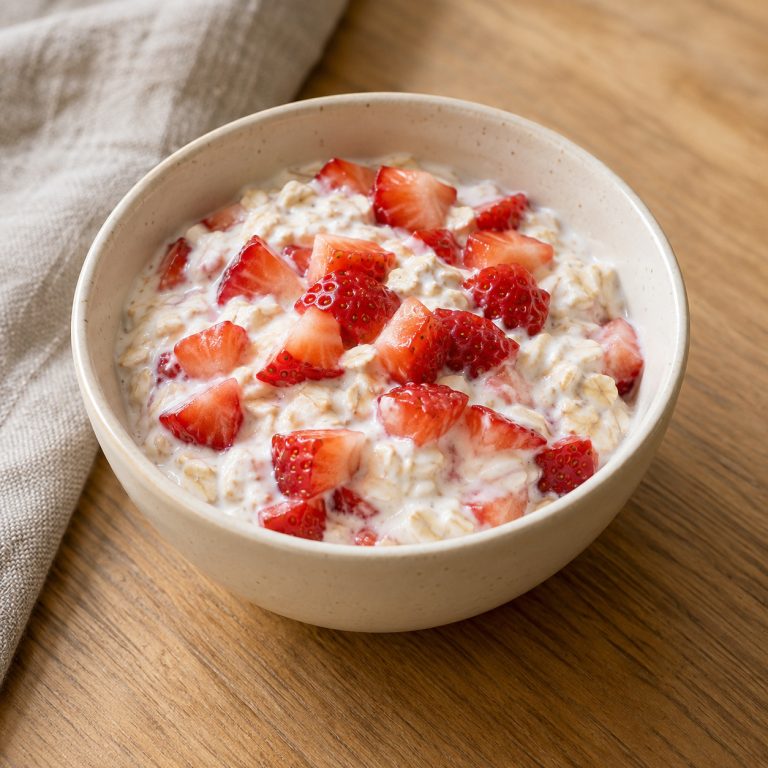
Breakfast
Strawberry yoghurt oat cup
1 snack or meal component · 175g measured ingredients before added water
129 kcal · 7.4g protein
22.5g carbohydrate · 1.7g fat · 3.5g fibre
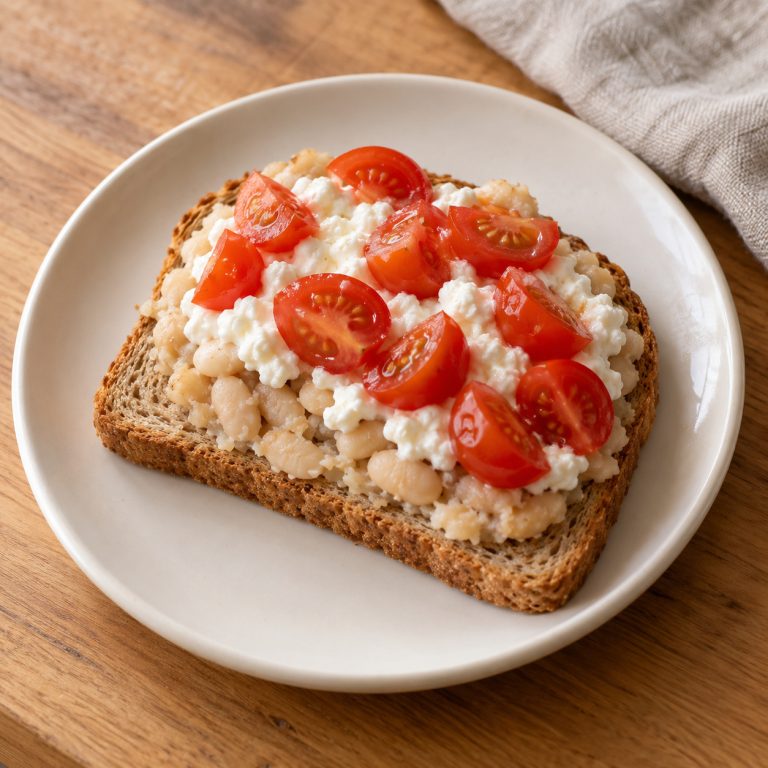
Breakfast
White beans & cottage cheese breakfast toast
1 snack or meal component · 145g measured ingredients before added water
144 kcal · 10.4g protein
22.1g carbohydrate · 2.2g fat · 6.2g fibre
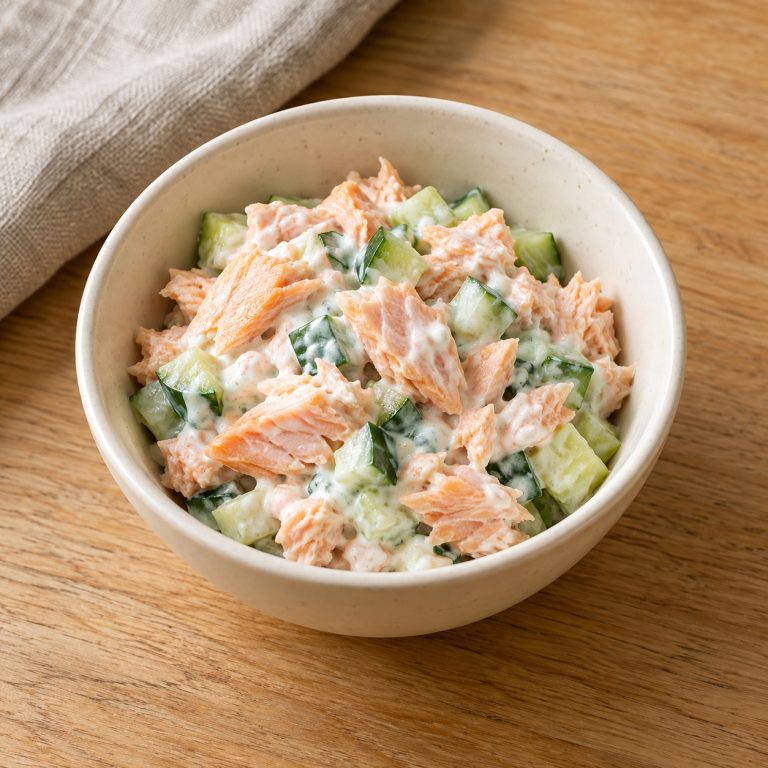
Snack
Salmon & cucumber yoghurt cup
1 snack or meal component · 115g measured ingredients before added water
124 kcal · 13.1g protein
2.6g carbohydrate · 6.9g fat · 0.3g fibre

Snack
Apple wedges with peanut yoghurt dip
1 snack or meal component · 122g measured ingredients before added water
130 kcal · 5.3g protein
13.0g carbohydrate · 6.6g fat · 1.6g fibre
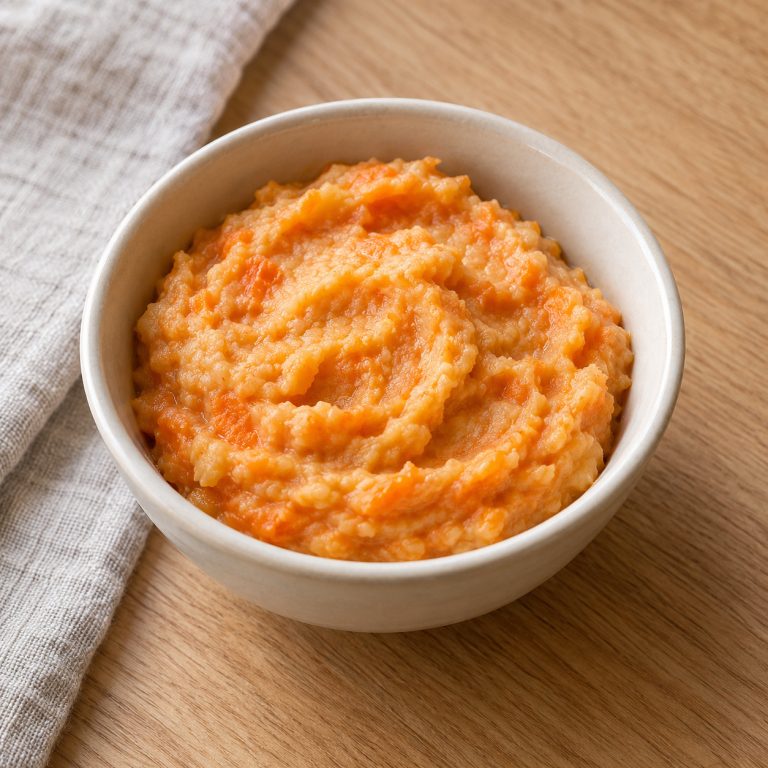
Snack
Carrot & white bean dip
1 snack or meal component · 122g measured ingredients before added water
98 kcal · 4.9g protein
13.1g carbohydrate · 3.3g fat · 5.8g fibre
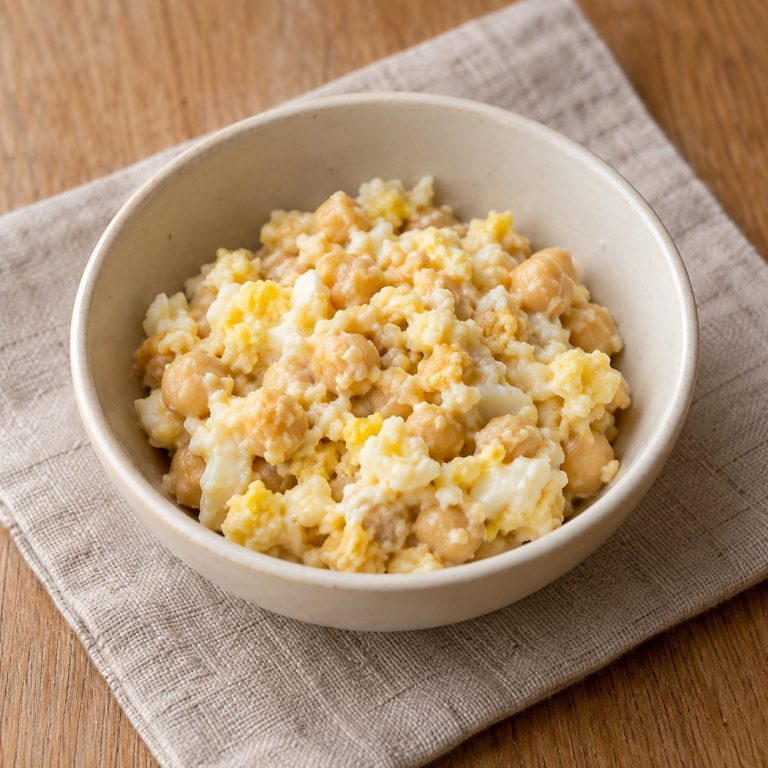
Snack
Boiled egg & chickpea mash
1 snack or meal component · 120g measured ingredients before added water
147 kcal · 12.3g protein
10.8g carbohydrate · 6.3g fat · 3.6g fibre

Snack
Avocado & cottage cheese cucumber bowl
1 snack or meal component · 140g measured ingredients before added water
105 kcal · 8.4g protein
3.3g carbohydrate · 6.5g fat · 1.2g fibre
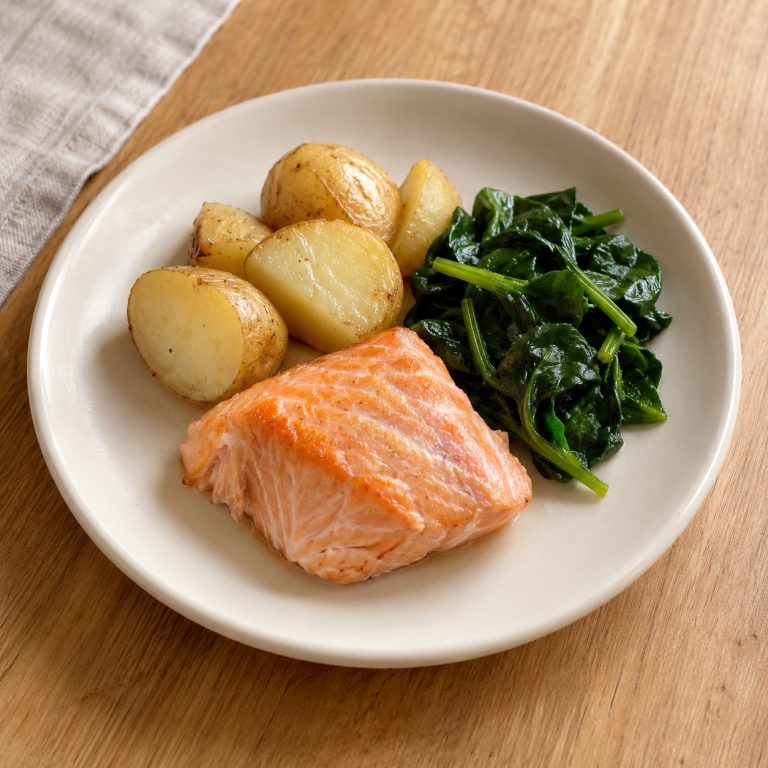
Small dish
Salmon & new potato small plate
1 snack or meal component · 180g measured ingredients before added water
202 kcal · 17.8g protein
12.0g carbohydrate · 9.1g fat · 1.9g fibre
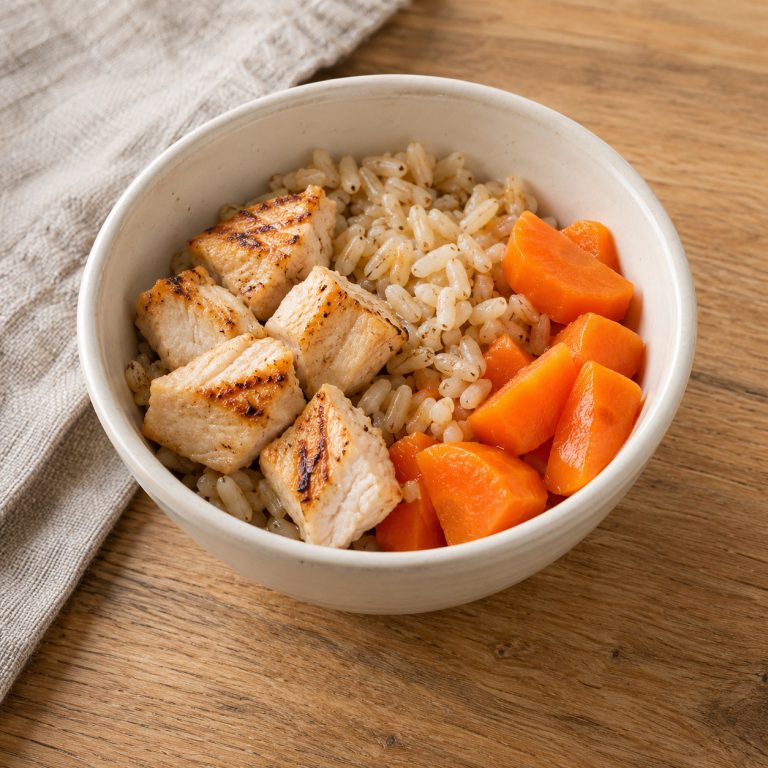
Small dish
Chicken & brown rice small bowl
1 snack or meal component · 162g measured ingredients before added water
198 kcal · 21.6g protein
19.9g carbohydrate · 4.1g fat · 2.0g fibre

Small dish
Sweet potato & red lentil mash
1 snack or meal component · 192g measured ingredients before added water
166 kcal · 11.0g protein
24.9g carbohydrate · 3.2g fat · 7.2g fibre

Small dish
Chickpea & couscous small bowl
1 snack or meal component · 162g measured ingredients before added water
211 kcal · 9.8g protein
34.9g carbohydrate · 4.6g fat · 6.1g fibre
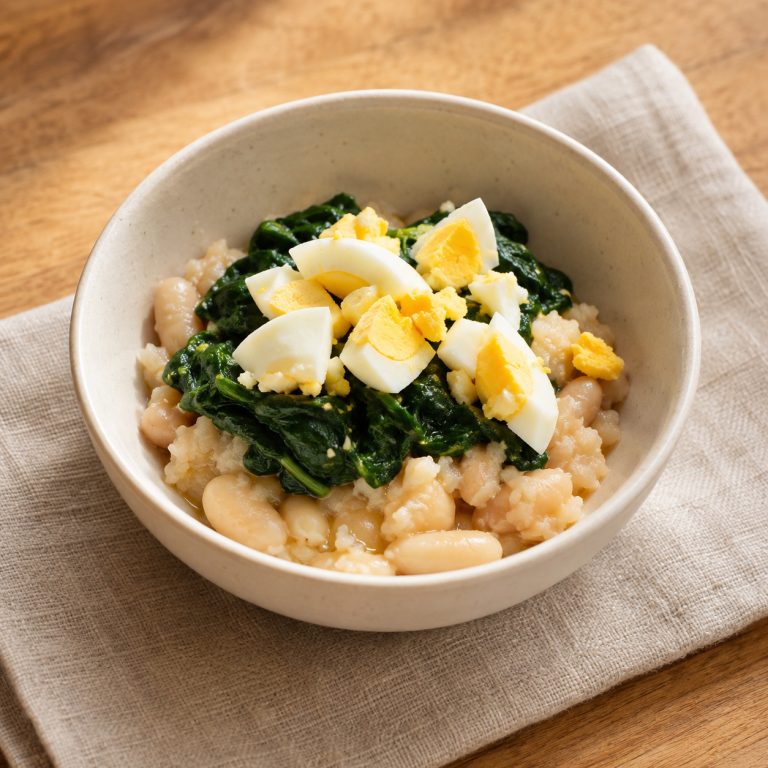
Small dish
White bean, egg & spinach bowl
1 snack or meal component · 162g measured ingredients before added water
170 kcal · 13.7g protein
11.2g carbohydrate · 8.2g fat · 5.2g fibre
Filters describe recipe type and ingredient weight. They do not assess allergies, individual tolerance or medicine suitability. These small portions do not guarantee enough energy or nutrients for a meal.
Recipe sources
- CoFID 2021 — nutrition data
- Food Standards Agency — safe cooking
- Food Standards Agency — chilling and leftovers
Nutrition data: Public Health England, CoFID 2021, Proximates sheet. Contains public sector information licensed under the Open Government Licence v3.0. Recipes are independently written; no association with Slimming World is claimed.
Food information & meal planning
GLP-1 Nutrition Support
General food information for adults already using a prescribed GLP-1 medicine. This guide supports conversations with your care team; it does not recommend starting treatment or choosing a medicine.
Editorial sources checked: 2 October 2026. No individual clinical or registered dietitian review of this guide or these recipes has been completed. Information is not a substitute for personalised care.
When your appetite is smaller
Try manageable portions across the day. Eating slowly can help you notice fullness. Keep meals varied rather than relying on tiny snacks as your entire day's food. Discuss ongoing difficulty eating enough with your care team.
Make room for protein
Include a protein food such as eggs, yoghurt, fish, beans or lentils. If appetite limits a meal, the NHS resource suggests eating its protein component first. Your daily protein needs are individual; ask your clinician or dietitian, especially if you have kidney disease.
If you feel sick
Smaller, more frequent portions and plain foods may be easier to tolerate. Rich, fatty foods and strong cooking smells can make symptoms worse for some people. Recipes here are not treatments for nausea, and tolerance varies.
Fluids and variety
Drink regularly and include a range of foods to support nutrient intake. Follow any fluid restriction from your clinical team. If reduced intake persists, ask about a nutrition assessment and whether supplements are appropriate for you.
Severe stomach pain that continues, especially if it spreads to your back, needs urgent medical attention. Nausea or vomiting may also occur. Do not assume this is an ordinary side effect or try to manage it through recipes.
Explore food ideas at your own pace
Our 30 small-portion recipes show ingredient weights, estimated nutrition, allergens and storage advice. They are snack or meal components, not a complete daily diet. The recipe filters describe food type and weight; they do not determine medical suitability or GLP-1 approval.
Browse the 30 small-portion recipes ↑
Sources & references
Independently written by MynRecipes. Links identify information sources, not an NHS or MHRA endorsement. For medicine questions, follow your patient leaflet and speak with your prescriber or pharmacist.